Categories
Hubster Happenings

Too Hot to Walk? 7 Ways to Keep Your Dog Happy, Calm & Engaged at Home

When temperatures soar, skipping the walk isn’t lazy—it’s smart. With the mercury rising to 30°C and beyond, it’s simply not safe to head out for your usual walk.

But that doesn’t mean your dog has to be bored, frustrated or bouncing off the walls. There are plenty of ways to keep them mentally engaged, gently stimulated, and beautifully calm—without setting paw outside.

Here are 7 simple, walk-free ways to help your dog stay cool, settled and satisfied.

1. Scatter Feeding

Ditch the bowl and let your dog forage! Sprinkle dry food or small treats across a cool room or shaded garden space and let them sniff out every last crumb.

✅ Builds calm focus

✅ Encourages natural behaviour

✅ Great for dogs who get bored easily indoors

2. Frozen Treats & Lick Mats

Stuff a Kong with their usual food, add a dollop of yoghurt or mashed banana, and freeze it. Or spread some wet food or soft cheese onto a lick mat and pop it in the fridge.

✅ Soothes and cools

✅ Encourages calming licking

✅ Keeps them busy with little effort from you-

3. DIY Scent Games

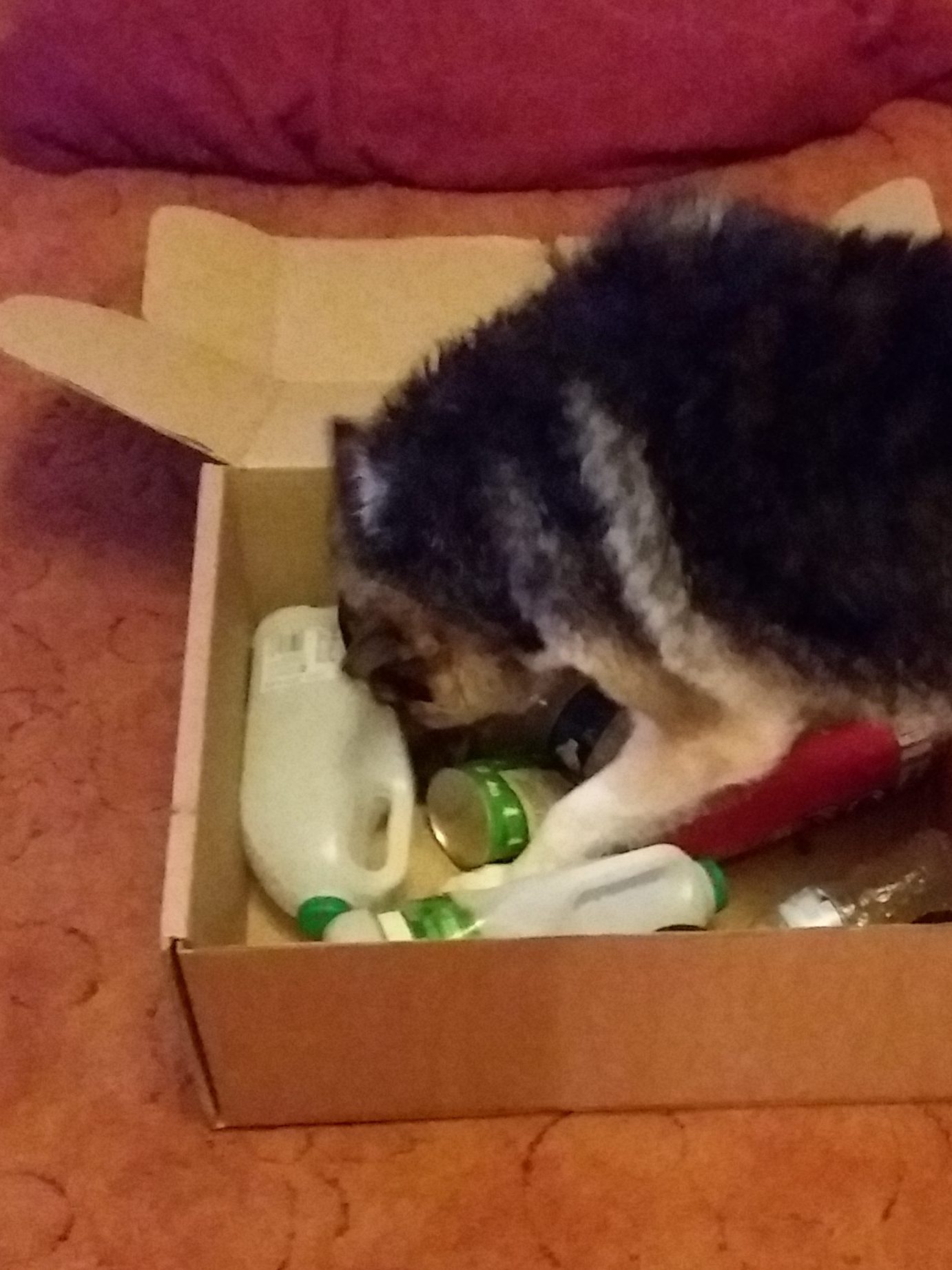
Use old cardboard boxes, flowerpots, or even rolled-up towels. Hide treats underneath, let your dog search, and reward when they find the right one.

✅ Low-energy enrichment

✅ Great for older or heat-sensitive dogs

✅ Mental exercise = physical tiredness

4. Teach a Slow Trick

Choose something gentle, like chin rest, touch, or spin. Use tiny treats and short, quiet sessions.

✅ Keeps their brain active without overexertion

✅ Strengthens your bond

✅ Ideal for rainy or too-hot days

5. Create a Chill Zone

Set up a comfy, shady spot with a fan, cool mat, and some soft background noise. Encourage your dog to relax there with a chew or frozen toy.

✅ Promotes natural resting behaviour

✅ Helps prevent overexcitement indoors

✅ Especially good for puppies and anxious dogs

6. Scentwork Indoors

Hide a scented item or even a toy with a bit of cheese scent rubbed on it. Let your dog sniff it out in one room at a time.

✅ Builds confidence

✅ Mimics working dog brain activity

✅ Great practice for anyone considering scent classes later on

7. Short, Structured Games

Play 2–3 minutes of calm games like:

Catch Me (you take a step away, they come to you for a treat)

Middle (come to stand between your legs)

Find It! (toss a treat, let them sniff and find)

✅ No high energy needed

✅ Reinforces cues and connection

✅ Keeps dogs mentally tuned-in

Final Thoughts

On hot days, your dog doesn’t need long walks to stay happy—they need the chance to use their nose, brain, and body in small, satisfying ways. Swapping your usual routine for cooler, calmer alternatives isn’t just OK… it’s brilliant.

So skip the guilt, stock the freezer, and let enrichment do the work.

Stay cool, stay safe, and enjoy a slower pace together 🐾☀️

Categories
Hubster Happenings

Understanding Canine Body Language: What Is Your Dog Telling You?

At The Canine Hub, we always say that training is a two-way conversation — but half the time, the dog is “talking” with their body, not their voice!

Learning to understand canine body language is one of the most powerful skills you can have as a dog owner.

Relaxed Border Collie with soft expression in garden – example of happy dog body language

It’s not about memorising a checklist. It’s about noticing the little things your dog is already showing you — in their tail, their ears, their eyes, even how they stand.

Here’s a simple guide to help you start reading your dog’s signals:

1. The Tail: More Than a Wag

A loose, wagging tail usually shows happiness.

A high, stiff wag can mean excitement or stress.

A low, slow wag often signals uncertainty.

A tucked tail is a big flag for fear or nervousness.

Top tip: Watch how the base of the tail moves, not just the tip!—

2. The Eyes: Windows to Emotion

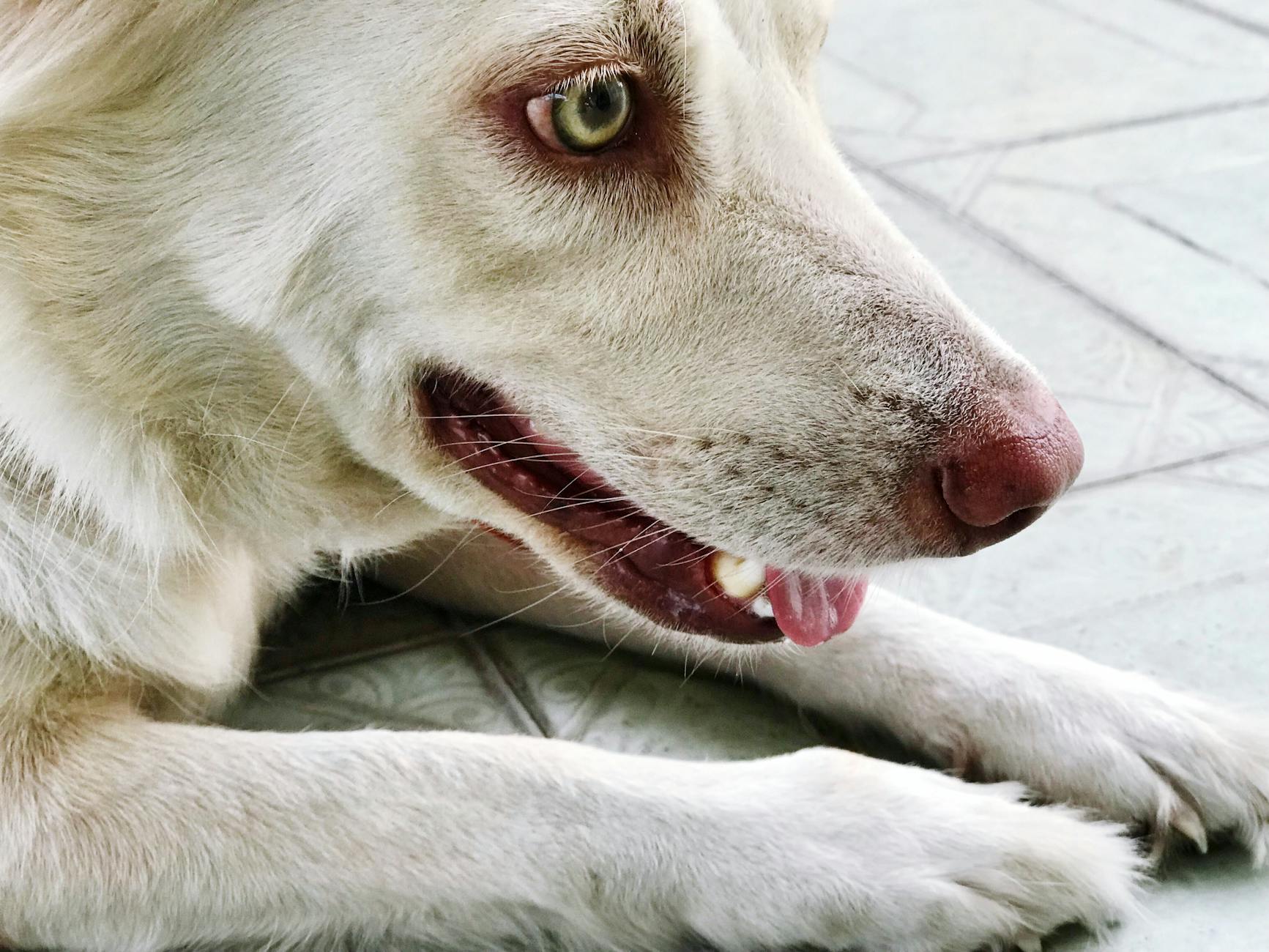
This dog’s wide, side-facing eyes — often called “whale eye” — can be a sign of uncertainty or discomfort.

Soft, blinking eyes show relaxation.

Wide, round eyes (that “whale eye” look) suggest worry.

Fixed, hard stares can be a sign of guarding or tension.

Top tip: A gentle glance away is often your dog’s polite way of saying “I’m not sure about this.”

3. The Ears: Early Warning System

Relaxed, floppy ears = calm and content.

Ears pinned back = fear or uncertainty.

Forward and tense = alert, excited or on edge.

Top tip: Learn your dog’s “neutral” ear position — every breed is different!—

4. The Body: The Bigger Picture

Loose, wiggly movement = relaxed and sociable.

Stiff, still posture = tension or unease.

Leaning forward = excitement or frustration.

Slate merle Border Collie standing alert with forward-leaning posture, showing signs of focus and anticipation.
This alert stance and forward lean suggest Drift is focused and anticipating something ahead — a typical posture for excitement or high arousal in many dogs.

Leaning back or avoiding = discomfort or caution.

Top tip: Don’t zoom in on one feature — take in the whole picture and the context.—

Why It Matters

Understanding your dog’s body language builds trust, helps you avoid conflict, and makes training smoother and more enjoyable.

It’s like learning your best friend’s favourite expressions — over time, it becomes second nature.

At The Canine Hub here in Oakley, Bedfordshire, we focus on listening to dogs first — so every class, from our Pup St🌟rter Class to our progression courses and 1-2-1s, is built around cooperation, connection and calm communication.

Looking for a friendly, local puppy class in Bedfordshire?At The Canine Hub, we offer fun, practical training for real life — from our brand new Pup St🌟rter Class to Beyond the Basics, social clubs and private sessions.

Whether you’ve just brought your puppy home or want to build on the basics, we’d love to welcome you to our next course.

Click here to view and book your place.-

Categories
Hubster Happenings

5 Quick Games to Play with Your Dog This Week

Got 10 minutes and a dog with energy to burn? You don’t need fancy equipment or loads of space to give your dog a mental and physical workout. These 5 simple games are perfect for daily enrichment, training reinforcement, and good old-fashioned fun.

Try one a day this week and watch your dog’s tail wag a little harder!

1. Find It

How to play:
Toss a handful of treats into the grass, on a rug, or across the floor and say “Find it!” Let your dog sniff and hunt them out.

Photo by Alexas Fotos on Pexels.com

Why it’s great:

  • Encourages natural foraging
  • Great for all ages and energy levels
  • Calms overexcited dogs

2. Middle

How to play:
Lure your dog to walk between your legs from behind and sit facing forward. Say “Middle!” and reward when they land in position.

Why it’s great:

  • Builds confidence
  • Creates a safe position in busy areas
  • Reinforces focus on you

3. Catch Me (a recall boost!)

How to play:
Call your dog, then run a few steps away and let them chase you. When they reach you, mark and reward with a treat or toy.

Why it’s great:

  • Reinforces recall
  • Builds handler focus
  • Makes training fun and interactive

4. Scatter Chase

How to play:
Toss treats gently across the ground one by one. Your dog chases, sniffs, and finds them as you toss more.

Why it’s great:

  • Combines play with calm sniffing
  • Perfect for pre-walk energy release
  • Useful for impulse control

How to play:
Start with two toys. Ask for one by name—“Find monkey!”—and reward when they bring the right one. If they guess wrong, try again!

Why it’s great:

  • Sharpens memory and problem-solving
  • Builds calm focus indoors
  • Can be played in small spaces

Final Thoughts

Quick games like these are a brilliant way to sneak extra training and enrichment into everyday life. Whether your dog is full of beans or needs a confidence boost, these simple ideas can make a big difference.

Categories
Hubster Happenings

Golden Oldies: How to Keep Your Senior Dog Happy, Active & Engaged

Millie was our dogs bestest friend 🧡

Dedicated to Millie Moo – the original Border Terrorist. You taught us that being cheeky is a form of enrichment in itself. You were small but mighty, and your friendship made the world brighter. This one’s for you, gorgeous girl. Run free at Rainbow Bridge 🌈🐾

Just like us, dogs change as they age—but that doesn’t mean their world should shrink! Whether your dog is slowing down a little or is firmly in their golden years, there’s still so much joy, connection, and learning to be had together.

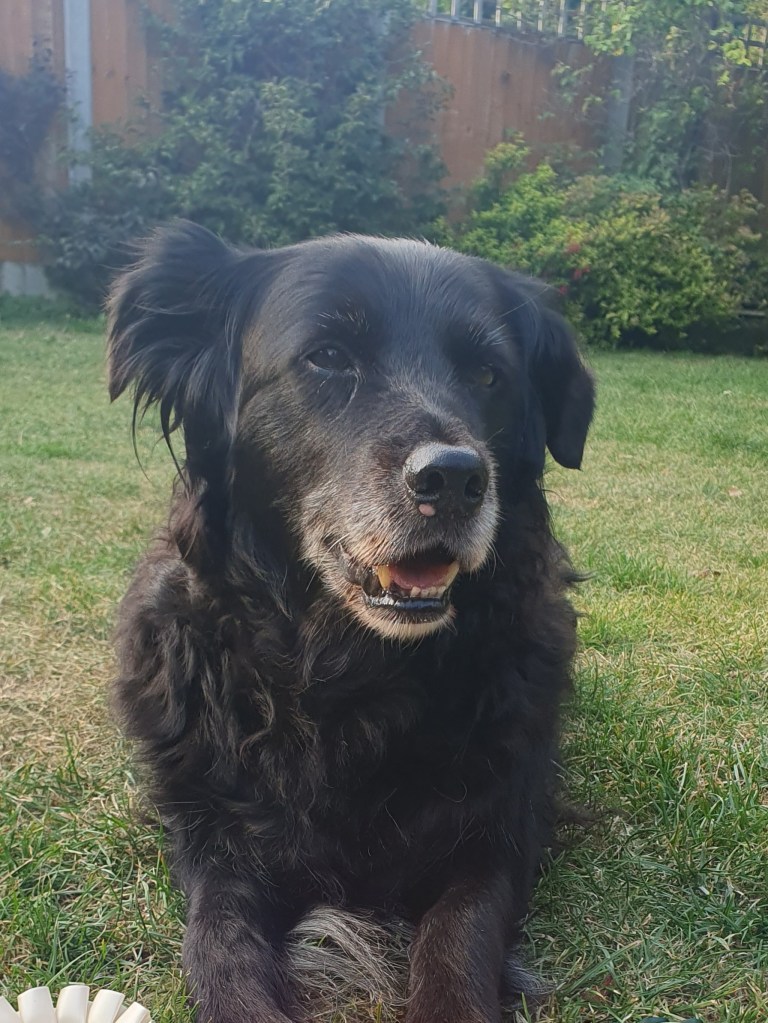
Smiling senior dog outdoors, enjoying a relaxed moment

In this blog, we’ll explore:

✔ What to expect from older dogs

✔ Why training and enrichment are still important

✔ How to adapt activities to suit ageing bodies and minds

✔ How The Canine Hub’s Social Club, Variety Club and Scentwork options can help your older dog thrive

What Changes as Dogs Age?

Every dog is different, but many start showing signs of ageing around 7–10 years old, depending on breed and size. You might notice:

  • A little more stiffness in the mornings
  • Slower responses to cues
  • Reduced interest in long walks or busy environments
  • New sensitivities or anxiety in situations they previously handled with ease

These changes are natural—but they don’t mean your dog is “done” with learning or playing!

Why Enrichment & Training Still Matter

Older dogs still benefit hugely from mental stimulation, gentle physical activity, and positive reinforcement.

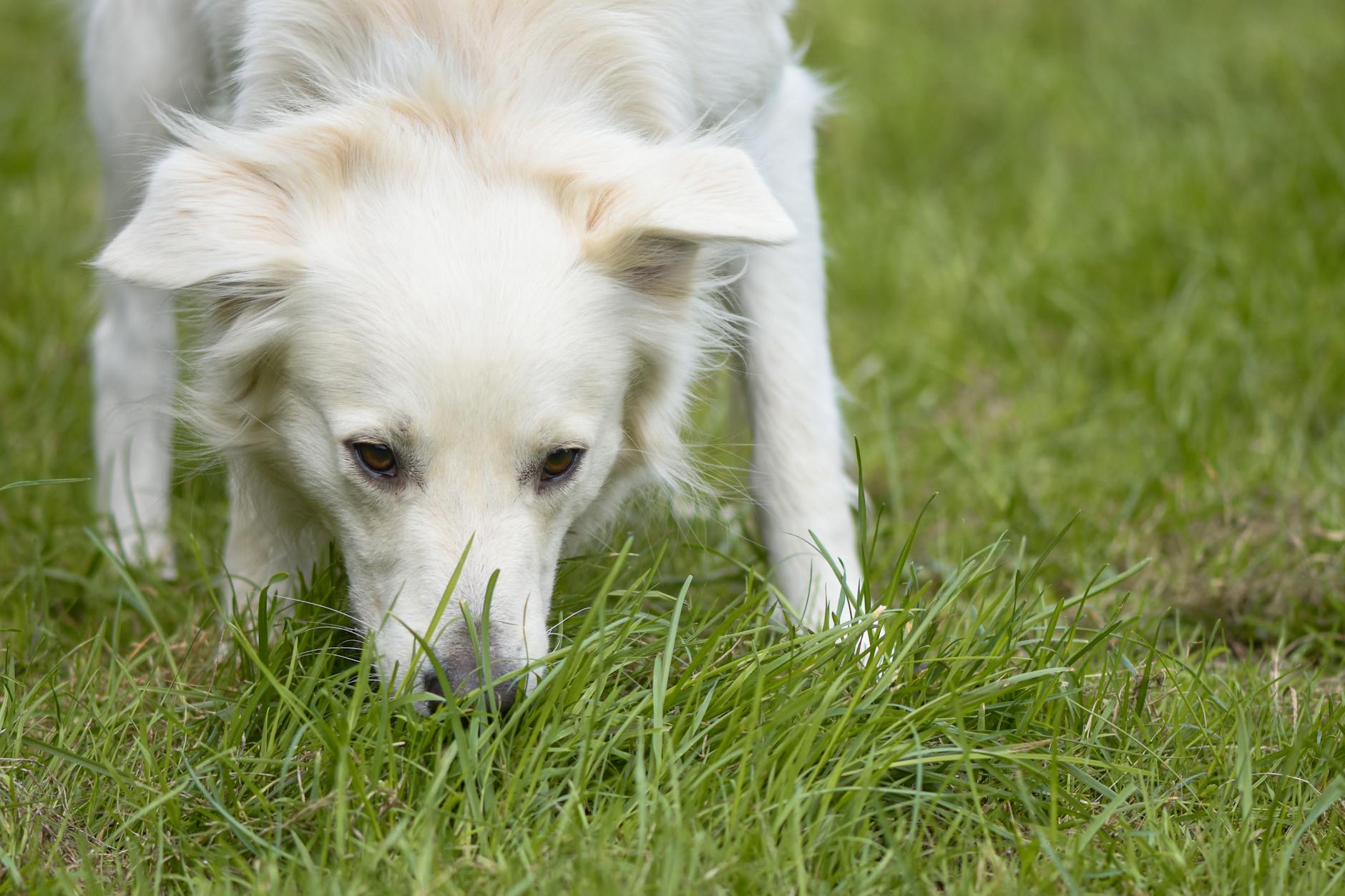
Senior dog sniffing in an enrichment activity .

In fact, continuing training in later life:

  • Helps maintain cognitive function and focus
  • Builds confidence when physical abilities change
  • Provides an outlet for dogs who still want to “do something” but need a lower-impact routine
  • Keeping the brain busy keeps the spirit bright!

How to Adapt Activities for Senior Dogs

Here are a few senior-friendly ideas to keep your dog engaged and enriched:

1. Keep Training Sessions Short & Rewarding

Revisit basic cues like settle, touch, wait, and find it. These are gentle, fun and great for maintaining connection.

2. Try Low-Impact Enrichment

Puzzle toys, slow walks where they can sniff everything, and short trick sessions can be more enjoyable than long hikes.

3. Let Them Sniff!

Older dogs often love scent-based games. It taps into their natural abilities and is mentally stimulating without physical strain.

Looking for Inspiration?

Join One of Our Senior-Friendly Sessions!

At The Canine Hub, we believe every dog deserves a fulfilling, enriched life—no matter their age. That’s why we offer several options to help older dogs stay engaged, happy and confident:

Social Club

A relaxed, low-pressure environment where dogs can interact, observe, and take part in activities at their own pace.

Perfect for:

✔ Dogs who enjoy being around others but don’t want full-on play

✔ Maintaining social skills

✔ Gentle exposure to new things

Variety Club

Each session includes a mix of fun games, trick training, brain work, and confidence-building activities.

Perfect for:

✔ Older dogs who still love to “do stuff”

✔ Dogs who enjoy 1:1 time with their humans

✔ Adding gentle structure to your week

Scentwork

One of the best activities for senior dogs! It’s mentally enriching, low-impact, and builds amazing confidence and focus.

Perfect for:

✔ Dogs who love to sniff

✔ Dogs with reduced mobility

✔ Boosting calmness and connection

Final Thoughts

Age is just a number—but enrichment, connection, and joy are timeless. Your senior dog still has so much to give and gain, and with a few small adjustments, you can keep life interesting, rewarding, and full of tail wags.

🐾 Want to explore what suits your golden oldie best?

📅 Join our Social Club, Variety Club or Scentwork sessions—designed with your dog’s wellbeing in mind.

Click here to find out more and book your place!

Categories
Hubster Happenings

Loose Lead Walking: How to Stop Pulling and Enjoy Stress-Free Walks

Do your walks feel more like a tug-of-war than a relaxing stroll? If your dog pulls on the lead, you’re not alone! Many owners struggle with loose lead walking, but the good news is that with the right approach, you can transform your walks into an enjoyable experience for both you and your dog.

Gem loose lead walking past a jogger

In this guide, we’ll break down:

✔ Why dogs pull on the lead

✔ How to stop your dog from pulling on walks

✔ Positive reinforcement techniques that make loose lead walking fun and rewarding

Plus, we’ll share how The Canine Hub’s in-person and online Loose Lead Walking courses can help you master this essential skill! 🐶✨

Why Do Dogs Pull on the Lead?

Before we dive into the solution, let’s look at why pulling happens in the first place:

1. Excitement and Lack of Impulse Control

Dogs love exploring the world, and when they step outside, their senses go into overdrive! If they haven’t learned impulse control, they naturally pull towards exciting sights and smells.

2. Reinforcement of Pulling

If your dog pulls and still gets to move forward, they’re being rewarded for pulling—so they keep doing it! This becomes a self-reinforcing behaviour.

3. Discomfort from Equipment

Tight leads, uncomfortable harnesses, or collars that cause tension can actually increase pulling due to pressure and frustration.

4. Lack of Understanding

Many dogs simply don’t know that staying near you is the best choice because they haven’t been taught in a way that makes sense to them.

The good news?

Loose lead walking is a skill that can be taught using positive reinforcement! 🎉

How to Stop Your Dog from Pulling on Walks

Step 1: Choose the Right Equipment

The right gear can make a huge difference in training success.

🐾 Harness: A well-fitted Y-front harness allows free movement and comfort.

🐾 Lead: A longer lead (1.5m – 2m) gives your dog room to walk without tension.

🐾 Treat Pouch: Keep rewards easily accessible to reinforce good behaviour.

Step 2: Reinforce Calm Walking Indoors First

Before heading into a high-distraction environment, practise at home or in the garden. Reward your dog for:

✔ Checking in with you

✔ Walking calmly beside you

✔ Responding to movement cues

✨ Pro Tip: Reward before the lead tightens to prevent pulling from happening in the first place!

Step 3: Teach the “Reinforcement Zone”

The Reinforcement Zone is the area next to your leg where rewards happen.🐶 How to teach it:

1️⃣ Stand still and reward your dog for being by your side.

2️⃣ Take a step forward—reward when they stay near you.

3️⃣ Gradually increase steps, keeping rewards frequent at first.

🎯 Goal: Your dog learns that staying near you = treats, praise, and fun!

Step 4: Use a “Be a Tree” Technique (The Right Way!)

If your dog pulls, stop moving—but don’t just stand still for too long!

🐶 Instead:Pause briefly (1-2 seconds).When your dog reorients to you, mark and reward.Encourage them back to your side and resume walking.This teaches your dog that pulling doesn’t get them anywhere, but walking calmly does!

Step 5: Reward Engagement on Walks

Many owners only reward their dogs when they are already pulling—instead, focus on rewarding attention before pulling starts!

💡 Ways to reinforce engagement:

Call your dog’s name and reward when they check in.

Change direction often to keep them focused on you.

Practise “Find It” (toss a treat on the ground) to keep their nose busy without pulling.

Want Expert Help?

Join The Canine Hub’s Loose Lead Walking Course!

Walking your dog shouldn’t be a battle—it should be fun, stress-free, and rewarding for both of you!

🐶 Join our Loose Lead Walking Course to learn:

✅ Step-by-step training techniques that actually work

✅ How to stop pulling using positive reinforcement

✅ Real-life strategies for high-distraction environments

✅ Personalised coaching from expert trainers

🌟 Choose from:

📍 In-Person Course – Train with expert guidance in real-life settings.

💻 Online Course – Learn from home with step-by-step video lessons.

🚀 Start your journey to better walks today! Click here to enrol!

Final Thoughts

Loose lead walking is an essential life skill that can turn stressful walks into enjoyable bonding time. With patience, the right techniques, and positive reinforcement, your dog will learn that walking calmly = rewards and fun!

🌟 Ready to say goodbye to pulling?

📅 Join The Canine Hub’s Loose Lead Walking Course today! Sign up Today

Categories
Hubster Happenings

Agility for Beginners – The Foundations That Make All the Difference

Dog agility is an exciting sport that strengthens your bond with your dog, builds confidence, and channels their energy into something positive. But before you start tackling jumps, tunnels, and weave poles, you need a solid foundation. Without it, agility can become frustrating, overwhelming, or even unsafe for your dog.

Drift at an agility training day.

In this guide, we’ll break down why foundation skills matter, how to teach agility basics to puppies, and how you can set your dog up for success with our online course: Foundation Agility: Driven by Drift—a step-by-step programme following Drift’s training journey from 20 to 36 weeks old.

Why Are Foundation Skills Important for Agility Training?

Just like a house needs a strong base, your dog needs solid foundation skills before stepping onto an agility course. Without them, you risk confusion, injuries, and setbacks. Here’s why these early skills are crucial:

1. Body Awareness and Coordination – Young dogs are still developing their coordination. Teaching foundation exercises like balance work, rear-end awareness, and controlled movement helps them navigate obstacles safely and efficiently.

2. Confidence Building – A puppy that has been introduced to different surfaces, objects, and movements from an early age will be more confident when facing agility equipment. Confidence prevents hesitation and fear-based refusals on the course.

3. Engagement and Focus – Agility is a fast-paced sport that requires attention and teamwork. Puppies who learn to engage with their handler early will have an easier time following cues and staying on task in a high-energy environment.

4. Clear Communication and Handling – Agility is all about teamwork between dog and handler. By establishing early communication skills, your dog will better understand directional cues, body language, and verbal markers, making transitions to obstacles much smoother.

How to Teach Agility Basics to Puppies

🐾 Tip: Start foundation training early! Even though full agility training should wait until your puppy’s body is fully developed, foundation work can begin as early as 20 weeks old.

Step 1: Focus and Engagement Games – Before agility, your dog needs to stay connected with you, even in distracting environments.

🔹 Reward eye contact and name recognition.

🔹 Play fun games like “find me” to encourage focus.

🔹 Use reward-based training to make engagement exciting!

Step 2: Body Awareness and Strength Building – A well-balanced dog is a confident agility dog!

🔹 Teach your puppy to step onto different surfaces (rubber mats, wobble boards, platforms).

🔹 Use cavaletti poles at ground level to improve stride awareness.

🔹 Encourage rear-end awareness by teaching your pup to move their back feet independently.

Step 3: Foundation Handling Skills – Handling begins long before the agility equipment!

🔹 Teach directional cues (left, right, forward).

🔹 Introduce verbal markers that will later transfer to obstacles.

🔹 Practise reward placement so your pup learns to move in the right direction.

Step 4: Confidence on Equipment – Puppies should not be jumping or weaving at a young age, but they can explore safe, puppy-appropriate agility equipment.

🔹 Start with normal tunnels, wobble boards, and planks.

🔹 Reward calm interactions with new obstacles.

🔹 Keep sessions short and fun to build a positive association.

Step 5: Foundation Sequences and Relationship Building – Before tackling full courses, puppies should practise small movement sequences to build drive and confidence.

🔹 Use reward-based games to encourage movement in a specific direction.

🔹 Practise handler movement (running together, changing direction smoothly).

🔹 Reinforce quick recalls and impulse control.

Take Your Puppy’s Agility Training to the Next Level!

Want expert guidance to get your puppy’s agility foundations right from the start? Join our online course: Foundation Agility: Driven by Drift!

🐶 What’s Inside?

✅ A step-by-step agility foundation programme

✅ Training videos following Drift’s journey from 20 to 36 weeks old

✅ Fun, structured exercises to build engagement, confidence, and skills

✅ Low-impact, puppy-safe agility training to set your dog up for future success

🌟 Start your agility journey the right way!

Click here to enrol in Foundation Agility: Driven by Drift.

You Made It! Here’s a Special Reward Just for You!

🎉Since you’ve read this far, you’re clearly serious about setting your puppy up for agility success—and we love that!

As a thank-you for your dedication, we’re giving you an exclusive 25% discount on our online course:

🌟 Foundation Agility: Driven by Drift 🌟

💥 Use code: SPRING25 at checkout to save 25%!

📅 Hurry – this special reader reward is only available until April 30th 2025!

🚀 Click here to enrol and start training today!

Final Thoughts

Dog agility is more than just speed—it’s about teamwork, confidence, and clear communication. By focusing on strong foundation skills, you’re giving your dog the tools they need to succeed and enjoy the sport for years to come.

Start your training today with Foundation Agility: Driven by Drift, and set your puppy up for agility success!

🌟 Ready to build an agility superstar? Don’t forget to use code SPRING25 for 25% off—offer ends April 30th!

📢 Enrol now and start training with Drift’s proven foundation methods! Sign up today.

Categories
Hubster Happenings

Why Do Puppies Bite? A Step-by-Step Guide to Teaching Bite Manners

If you’ve ever been on the receiving end of those tiny, razor-sharp puppy teeth, you know just how persistent and painful puppy biting can be! But don’t worry—it’s completely normal. Puppies explore the world with their mouths, and biting is a natural part of their development.

In this blog, we’ll break down why puppies bite, how to teach your puppy not to bite, and provide a step-by-step guide to help you stop those playful nips—without harming your bond. Plus, we’ll show you how The Canine Hub’s PupStar classes can turn your pup into a well-mannered superstar!🚀

Want a step-by-step guide you can keep handy? Download our FREE ebook: ‘The Puppy Biting Survival Guide’ for expert tips and solutions! Click here to get your free copy.

Why Do Puppies Bite?

Puppies bite for several reasons, including:

1. Teething Troubles

Just like human babies, puppies go through a teething phase where their gums feel sore, and chewing relieves discomfort. This typically happens between 3 to 6 months of age.

2. Playfulness and Exploration

Puppies learn about the world by mouthing and biting everything—including you! In a litter, they bite their siblings, and when one stops playing, they learn that biting too hard ends the fun. Without littermates, they rely on us to teach them.

3. Overstimulation or Frustration

When puppies get too excited or frustrated, they may bite as a way to release energy. This is common during playtime or when they’re trying to get your attention.

4. Learning Social Skills

Puppies need to learn bite inhibition, which means controlling the force of their bite. This skill helps prevent accidental injuries when they grow into adults.

How Do I Teach My Puppy Not to Bite Me?

The key to stopping puppy biting is consistent, positive training. Here’s a step-by-step guide to help you teach bite manners effectively.

Step 1: Redirect to a Toy

If your puppy bites your hand, immediately redirect them to a chew toy or tug toy. This teaches them that biting hands is not acceptable, but biting toys is.

Step 2: Reward Gentle Behaviour

Puppies learn best through positive reinforcement! When your puppy licks or plays gently, reward them with praise, treats, or playtime. This encourages them to repeat good behaviour.

Step 3: Avoid Rough Play

Games like wrestling or letting your puppy chase your hands encourage biting. Instead, use structured play like fetch or tug-of-war with clear rules.

Step 4: Teach “Leave It” and “Gentle” Cues

At The Canine Hub PupStar classes, puppies learn impulse control through cues like “Leave it” and “Gentle”. These cues teach them to be more mindful of their mouths.

Step 5: Give Plenty of Chew Toys

If your puppy is teething, provide safe chew toys like frozen Kongs, rubber chews, or soft teething toys. This prevents them from using your hands as a chew toy!

Step 6: Use a Calm Timeout if Needed

If your puppy is overly excited and biting excessively, calmly remove your attention. Stop playing, stand up, and give them a moment to settle. Once they are calm, resume interaction.

Step 7: Be Consistent

Everyone in the household should respond the same way to biting. If one person lets it slide, your puppy will get mixed signals and keep biting.

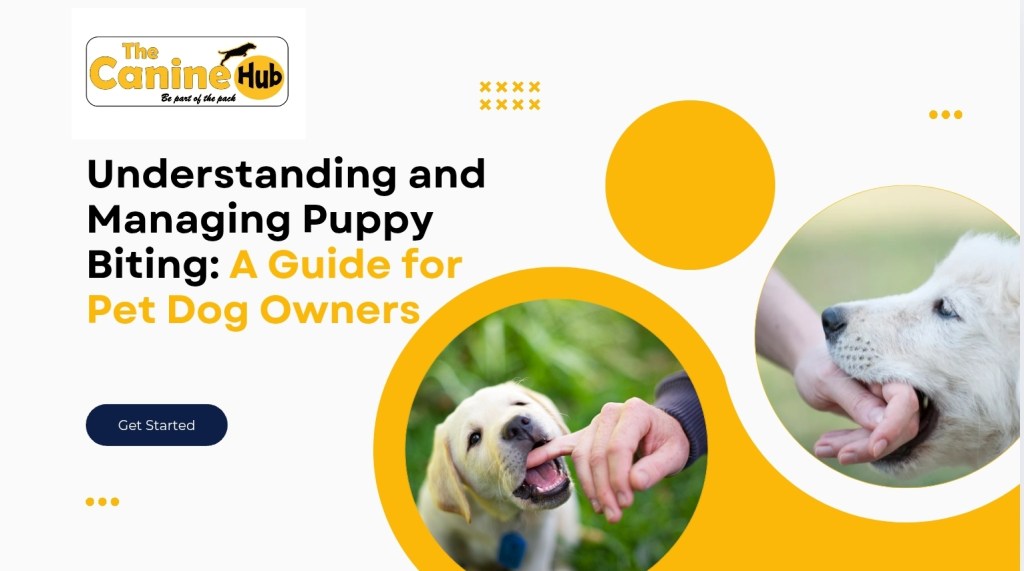
✨ Need more help? Our free ebook, ‘Understanding and Managing Puppy Biting’ has everything you need to stop those sharp little teeth in their tracks!

Why The Canine Hub PupStar Classes Are a Game-Changer

If you’re struggling with puppy biting, The Canine Hub’s PupStar classes can help! These classes provide:

✅ Expert guidance on stopping biting and teaching impulse control

✅ Socialisation with other puppies to improve bite inhibition

✅ Fun, reward-based training that builds confidence and manners

✅ Personalised support from professional trainers

✨ Want a step-by-step guide you can refer to anytime?

Download our FREE ebook: ‘Understanding and Managing Puppy Biting’ for expert tips and easy-to-follow solutions!

Final Thoughts

Puppy biting is a normal part of growing up, but with patience, consistency, and the right training techniques, your puppy will learn to use their mouth appropriately.

Remember to redirect, reward good behaviour, and stay consistent—and if you need extra help, The Canine Hub’s PupStar classes are here for you!

Ready to turn your pup into a well-mannered star?

📅 Book a PupStar class today and say goodbye to sharp little teeth!

Categories
Hubster Happenings

Why Won’t My Dog Listen When I Call Them Back? Common Mistakes in Reliable Recall Training

Picture this: You’re at the park, your dog is off-leash, and it’s time to head home. You call their name, expecting them to run back enthusiastically… but instead, they sniff the grass, chase a butterfly, or—worst of all—bolt in the opposite direction. Frustrating, right?

Reliable recall is one of the most important skills your dog can learn, yet it’s also one of the trickiest to master. If your dog isn’t coming when called, don’t worry—you’re not alone! Many dog owners unintentionally make mistakes that weaken their dog’s recall response. Let’s break down why your dog might be ignoring you and how to fix it.

1. Calling Your Dog for the “Wrong” Reasons

Think about the last few times you called your dog. Did it lead to something they love (like treats or playtime)? Or did it mean the fun was over (like going home, bath time, or leaving the park)?

Try This Instead:

Make sure your dog associates coming back to you with positive experiences! Instead of always calling them for things they dislike, call them randomly for praise, treats, or a quick game of tug before letting them go back to playing. This builds trust and enthusiasm for recall.

2. Using Recall Only in Emergencies

If the only time your dog hears their recall cue is when they’re about to be leashed up or pulled away from something exciting, they’ll quickly learn that “Come!” = “Fun is over.”

Try This Instead:

Use your recall cue throughout the day in different situations, not just in high-stakes moments. Call your dog when you’re in the kitchen, in the yard, or even just moving to another room—then reward them!

3. Repeating the Cue Over and Over

If you find yourself saying, “Come! …Come! …COME HERE!!” with no response, your dog has likely learned that the word is optional.

Try This Instead:

Say the recall cue once in a happy, upbeat tone. If your dog doesn’t respond, use movement—run away playfully or crouch down with open arms to make coming to you more appealing. Reward them big time when they get it right.

4. Not Making Recall Rewarding Enough

Would you drop everything to run to someone offering you a stale cracker? Probably not. Your dog feels the same way about boring rewards.

Try This Instead:

Make your recall rewards irresistible! Use high-value treats (like chicken or cheese), a favorite toy, or excited praise to reinforce their good decision. The better the reward, the stronger their recall will become.

5. Expecting Too Much, Too Soon

Recall takes consistent training. If your dog is struggling, they may not fully understand the cue yet—especially in distracting environments.

Try This Instead:

Start in low-distraction areas (like your home) before practicing in busier places (like the park). Gradually increase the challenge while keeping the experience fun and rewarding.

Want a Rock-Solid Recall?

Join The Canine Hub Really Reliable Recall Classes!

If you’re struggling with recall training, The Canine Hub Recall Classes are here to help! Our expert trainers use positive reinforcement techniques to turn your dog’s recall into a reliable, automatic response—no more frustration or embarrassing park chases.

Ready to build a recall you can trust?

Sign up for The Canine Hub Recall Classes today!

Final Thoughts

Reliable recall isn’t about being lucky—it’s about consistent training, positive reinforcement, and making yourself more exciting than the environment. Avoid these common mistakes, and soon enough, your dog will come running every time you call!

Categories
Hubster Happenings

Welcome to Hubster Happenings!

Welcome to Hubster Happenings – A Fresh Look for Our Blog!

Big news from The Canine Hub!

🎉Our blog has had a little makeover, and we’re excited to introduce Hubster Happenings!

🐾You might remember it as Skip’s Blog, where we shared training tips, stories, and insights from my journey with Skip.

But now, it’s time to expand and make this space even better.

What’s Changing?

Not much—just the name!

You’ll still get:

✅ Dog training tips and advice

✅ Class updates and behind-the-scenes insights

✅ Stories from my own dogs (yes, Skip and the gang will still feature! 😉)

✅ General dog-related content to help you and your pup thrive

Why the Change?

While Skip was a fantastic inspiration for the original blog, we wanted something that better reflects The Canine Hub community—aka, the Hubsters!

This blog is for YOU, filled with useful, fun, and insightful dog training content.

What’s Next?

Expect a mix of training tips, updates on classes, and fun stories about life at The Canine Hub.

Got a topic you’d love to see?

Drop a comment and let me know!🚀

Welcome to Hubster Happenings—let’s make this an amazing place for all things dog!📍

Check out out latest classes here:

Categories
Hubster Happenings

Indoor Games for Dogs: Tips for Keeping Dogs Happy Indoors During Bad Weather

When the weather outside is dreadful, keeping your dog active and entertained indoors is essential. Whether it’s freezing temperatures, heavy rain, or sweltering heat, indoor activities ensure your pup stays mentally and physically stimulated. At The Canine Hub, we know that a happy, engaged dog leads to better behaviour and a stronger bond with their human.

Watch Laura & Colin in Action!

On Tuesday, when we had to cancel lessons due to the wet weather, our trainer Laura made the most of the time indoors by filming this incredible video with her dog. Watch below for inspiration on the kind of fun, advanced tricks you can teach at home—even when the weather is against you!

Whether your dog is a beginner or already knows a few tricks, indoor training is a fantastic way to keep them engaged and learning. Below, we’ve put together a list of our favourite indoor activities to help keep your dog happy and active when heading outside isn’t an option

Let’s explore some fun indoor dog activities for winter months that will keep tails wagging no matter what’s happening outside!

Hide-and-Seek: A Brain-Boosting Adventure

Dogs love using their noses, so why not turn a simple game into an exciting mental workout? Hide somewhere in your home and call your dog’s name. When they find you, reward them with treats and praise.

Drift loves this game—especially when treats are involved! She takes her search mission very seriously and always looks so proud when she finds me hiding behind the sofa.

Bonus Challenge: Hide treats or toys around the house and let your dog sniff them out for an added enrichment boost!

DIY Agility Course

Transform your living room into a mini agility course with household items! Use chairs for weaving, pillows for jumping over, and tunnels made from blankets or boxes. This is a great way to provide indoor dog exercise while reinforcing basic cues like “jump” and “crawl.”

Skip, being the little speedster he is, absolutely flies through our homemade obstacle courses. He especially loves jumping over cushions and weaving through chair legs—it’s hard to keep up with him sometimes!

Pro Tip: Use your dog’s favourite toy or treat as motivation to navigate the course.

Tug-of-War: A Classic Energy Burner

A simple game of tug-of-war can be an excellent way to keep your dog active indoors. It’s a great muscle workout and can also reinforce impulse control—just teach them a solid “drop it” cue for safe play.

Gem has an impressive tug grip and doesn’t back down easily. She takes this game very seriously, but she’s also fantastic at responding to the “drop it” cue when it’s time to reset.

Safety Tip: Always let your dog “win” sometimes to keep the game enjoyable and build their confidence!

Puzzle Toys and Food Games

Dogs love to work for their food! Puzzle feeders, treat-dispensing toys, or even DIY snuffle mats can provide hours of entertainment. These activities tap into their natural foraging instincts and prevent boredom.

DIY Idea: Place kibble inside a muffin tin and cover it with tennis balls—your dog will have to figure out how to move the balls to get their food!

Indoor Fetch with a Soft Toy

If space allows, a gentle game of fetch with a soft toy or rolled-up sock can help burn energy. Hallways or long, open spaces work great for this game. Just be mindful of breakables!

Skip lives for a game of fetch, especially when it involves his favourite squeaky toy. We’ve had some very competitive games down the hallway—he’s always ready for “just one more throw!”

Get Creative with Our Free Style Workshops

Winter is the perfect time to explore Free Style—a fun and creative way to bond with your dog through movement and tricks. Our monthly Free Style Workshops at The Canine Hub provide a fantastic opportunity to try something new, challenge your dog’s mind, and boost their confidence—all in a positive and supportive environment.

Drift loves learning new moves, especially spins and leg weaves. Watching her figure out a new routine is always a highlight—she’s such a natural performer!

Try This at Home: Teach your dog to weave between your legs or spin in a circle to get a taste of Free Style training!

Variety Club: Keeping Training Fun All Year Round

Looking for a way to keep your dog engaged indoors and outdoors? Our Variety Club is perfect for exploring different training styles, games, and activities each month, ensuring your dog stays mentally and physically stimulated. Whether it’s scent work, recall games, or confidence-building exercises, there’s always something exciting to try!

Recall Training Indoors

Limited outdoor time doesn’t mean you can’t work on recall! Practise calling your dog from one room to another, rewarding them generously when they come to you. Gradually increase the difficulty by adding distractions or using a longer distance.

Want to take your recall training to the next level? Our recall course at The Canine Hub is designed to build a reliable response, setting your dog up for success both indoors and outdoors.

What’s Your Dog’s Favourite Winter Activity?

We’d love to hear from you! What’s your go-to indoor activity when the weather is bad? Share your favourite winter game or training tip in the comments!

Final Thoughts: Keeping Your Dog Happy Indoors

Bad weather doesn’t mean your dog has to be bored! By incorporating these fun indoor dog activities for winter months, you’ll keep them mentally stimulated, physically active, and happy year-round.

For expert training, join our Free Style Workshops, Variety Club, or recall course at The Canine Hub—all fantastic ways to keep your dog engaged and learning, no matter the season!