
Spring is in the air—buds are blooming, birds are singing, and your dog is probably itching to sniff every fresh blade of grass. But before you let them explore freely, it’s worth knowing that some of the most beautiful spring plants are also some of the most dangerous for dogs.

In this post, we’ll cover:
✔ Common spring plants and flowers that are toxic to dogs
✔ Symptoms to watch out for
✔ How to keep your dog safe on walks and in the gardenBecause a curious nose shouldn’t lead to a trip to the vet!
Top Harmful Spring Plants for Dogs
Here are some of the most common—and often overlooked—plants to be cautious of during springtime:
1. Daffodils

Toxic parts: Bulb (most toxic), leaves, and flowers
Why they’re dangerous: Daffodils can cause vomiting, diarrhoea, abdominal pain, and even heart or breathing issues in serious cases.
2. Tulips
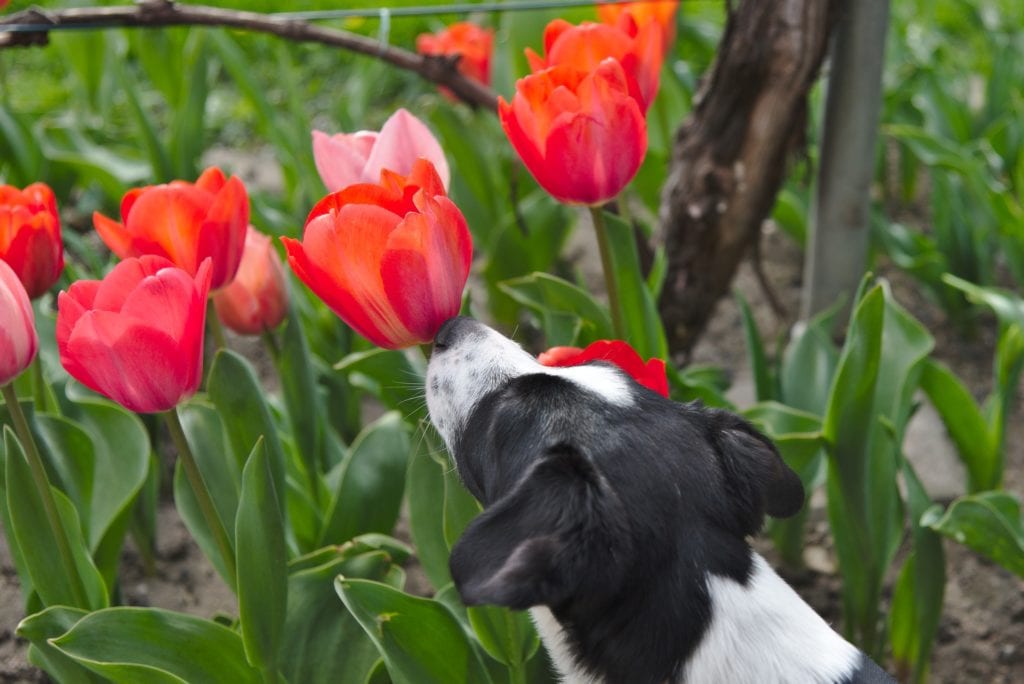
Toxic parts: Bulbs primarily, but all parts can cause irritation
What to look for: Drooling, vomiting, and lack of appetite. In severe cases, dogs may appear unsteady or show signs of depression.
3. Bluebells (UK Native)
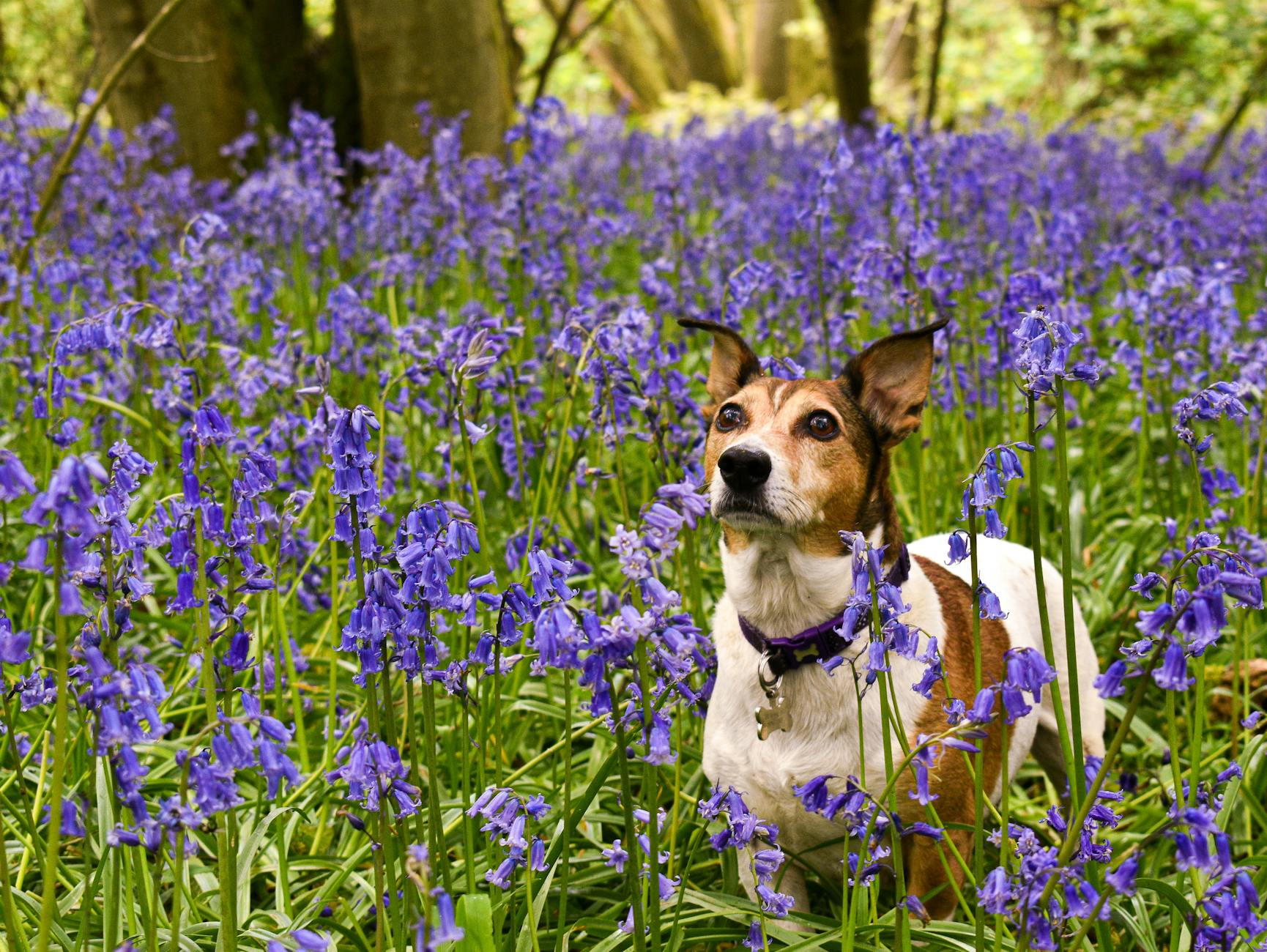
Toxic parts: Entire plant
Risk: Ingestion can lead to nausea, vomiting, diarrhoea, and heart issues in larger quantities. These beautiful woodland favourites are often scattered across walking paths.
4. Crocuses

Two types:Spring crocus (milder)—may cause an upset stomach
Autumn crocus (much more toxic)—can lead to organ damage
Tip: Always treat unknown crocus species with caution.
5. Lily of the Valley

Toxic parts: Entire plant
Effects: This sweet-looking flower can cause vomiting, heart arrhythmias, and seizures. Just a small amount can be dangerous.
6. Azaleas & Rhododendrons

Where they grow: Gardens and park borders
Danger: Even a few leaves can cause drooling, vomiting, diarrhoea, and in some cases, coma or death.
Symptoms of Plant Poisoning in Dogs
If your dog has eaten something unknown, watch for:
Vomiting or diarrhoea
Drooling or foaming at the mouth
Lethargy or collapse
Difficulty breathing
Tremors or seizures
When in doubt, contact your vet immediately. If possible, bring a photo or sample of the plant your dog may have eaten.
How to Keep Your Dog Safe This Spring
Know what’s growing in your garden: Remove or fence off toxic plants
Stay alert on walks: Especially in wooded areas and landscaped parks
Discourage random snacking: Train a solid “leave it” or use a long line to guide their exploring
Supervise curious puppies: Young dogs are more likely to chew unfamiliar plants
Final Thoughts
Spring is a time of renewal and outdoor fun—but it comes with its risks. By knowing what to look out for and staying aware of your surroundings, you can keep your dog safe while still letting them enjoy the season.Keep those tails wagging—and those noses safe!
 The Canine Hub